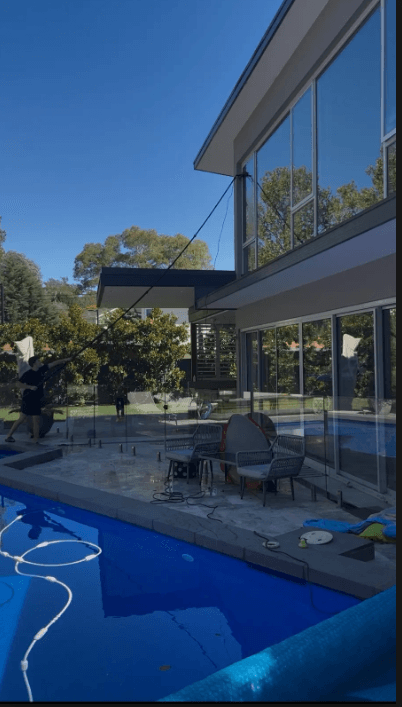
Soft washing is what high-pressure should have been. Instead of blasting siding, render, or paint with 2,000+ PSI (which forces water under joints and into cavity walls), we apply a biodegradable solution at low pressure, let it do the chemical work, and rinse clean. The result is a deeper clean than high-pressure with none of the damage — no chipped paint, no driven moisture, no warranty issues.
Equipment we use on every job.
The process, step by step.
Surface + landscape walk
Identify substrates (paint, render, hardiplank, brick), flag damaged sections, and protect plants, outlets, and openings before any solution is mixed.
Apply + dwell
Even low-pressure application top-down. The solution sits for the contact time required for the substrate (typically 5-15 minutes) — that is when the cleaning happens.
Hand-detail problem areas
Soft brushes by hand on stubborn eaves, render texture, and any black carbon streaking. No high-pressure, ever.
Rinse + walk-through
Generous fresh-water rinse top-down. Then a walk-around with you to confirm the finish. Anything not right gets re-treated before we leave.
From a recent soft washing job.
What people ask before booking.
Is it actually safer than high-pressure?
For paint, render, hardiplank, and brick pointing — by a wide margin. High-pressure forces water past joints and into wall cavities, lifts paint, and erodes render. Soft-wash gets a deeper clean without any of that.
Will the solution kill my plants?
Not when applied properly. Pre-soak + rinse is standard. The solution is biodegradable and the dilute runoff is well below the level that affects landscaping — but we don't take chances, every job includes plant protection.
How long does the result last?
Soft-wash kills the spores that cause regrowth, not just the visible staining — so results last 2-3x longer than a high-pressure clean. In Canberra typical re-treat is every 18-24 months on shaded south-facing walls.